Negotiation Is Back: What Today’s Sellers Need to Know
 A few years ago, sellers could say "no" to just about everything.
No repairs.
No concessions.
No negotiations.
If buyers wanted the home, they had to meet the seller's terms.
But today's market looks different.
With more homes available and buyers having more choices, negotiations have become a normal part of the process again. And that's not necessarily a bad thing.
One of the biggest shifts sellers need to understand right now is this:
The goal isn't to win every negotiation.
The goal is to get your home sold on terms that help you move forward.
Sometimes that means being willing to meet buyers halfway. One example that's becoming more common? Helping with a buyer's closing costs.
What Are Buyer Closing Costs?
Closing costs are the expenses buyers pay in addition to their down payment when purchasing a home. These can include:
-
Loan origination fees
-
Appraisal and inspection costs
-
Title and attorney fees
-
Survey fees
-
Other transaction-related expenses
Typically, closing costs range from 2% to 5% of the purchase price. On a $400,000 home, that's anywhere from $8,000 to $20,000 out of pocket.
For many buyers, especially in today's affordability-challenged market, coming up with that additional cash can be difficult—even when they can comfortably afford the monthly mortgage payment.
That's why more buyers are asking sellers for assistance.
More Sellers Are Offering Concessions
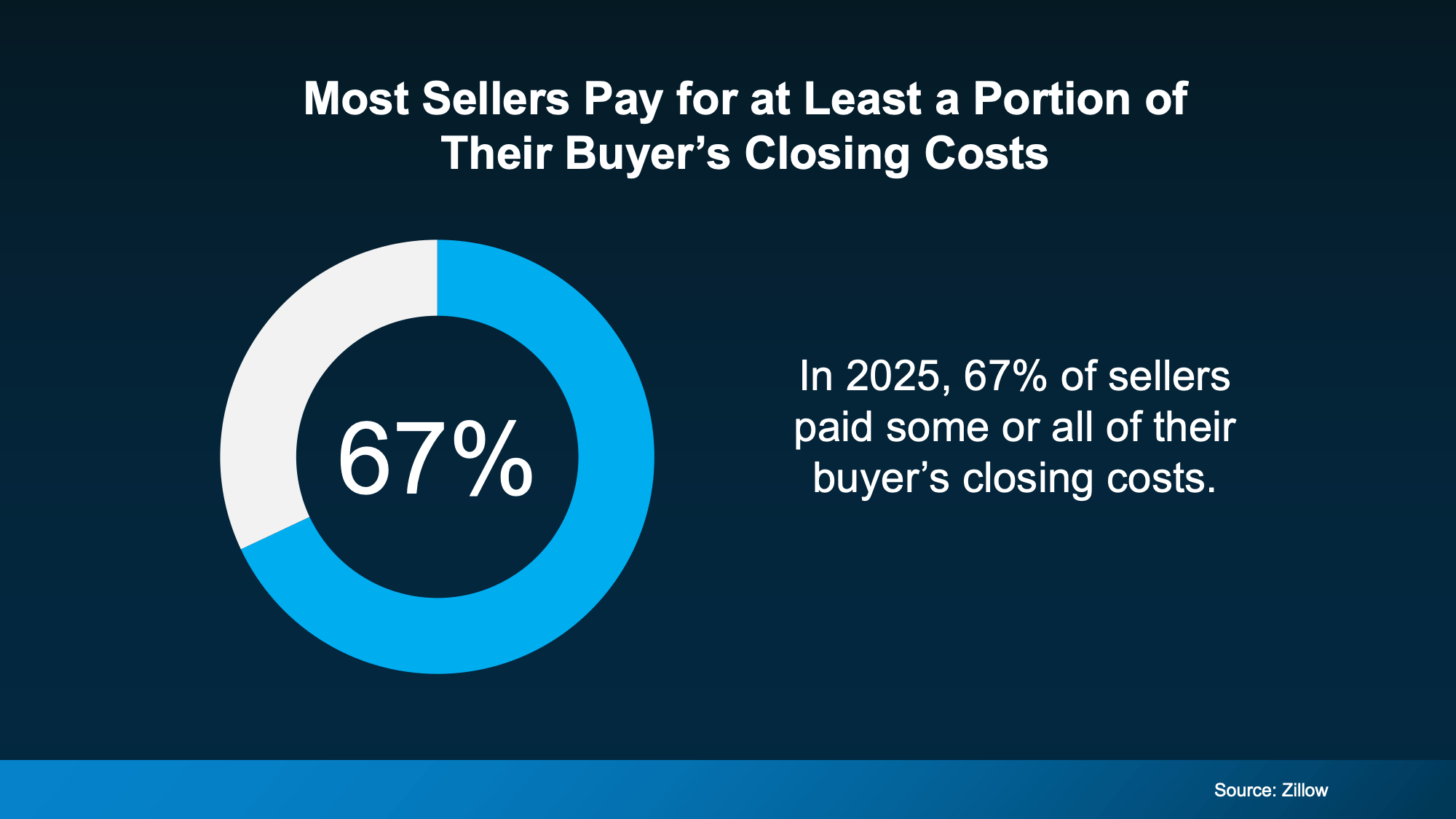
Recent data shows that a majority of sellers are contributing toward buyer closing costs.
Does that mean every seller should? Absolutely not.
But it does highlight an important reality: today's market requires more flexibility than it did just a few years ago.
As inventory has grown, buyers have gained more negotiating power in many markets. Sellers who recognize that shift are often in a better position to attract serious buyers and keep deals together.
When Helping With Closing Costs Makes Sense
Many sellers hear "closing cost assistance" and immediately think, "Why should I pay their expenses?"
The better question is: "Will this help me accomplish my goal?"
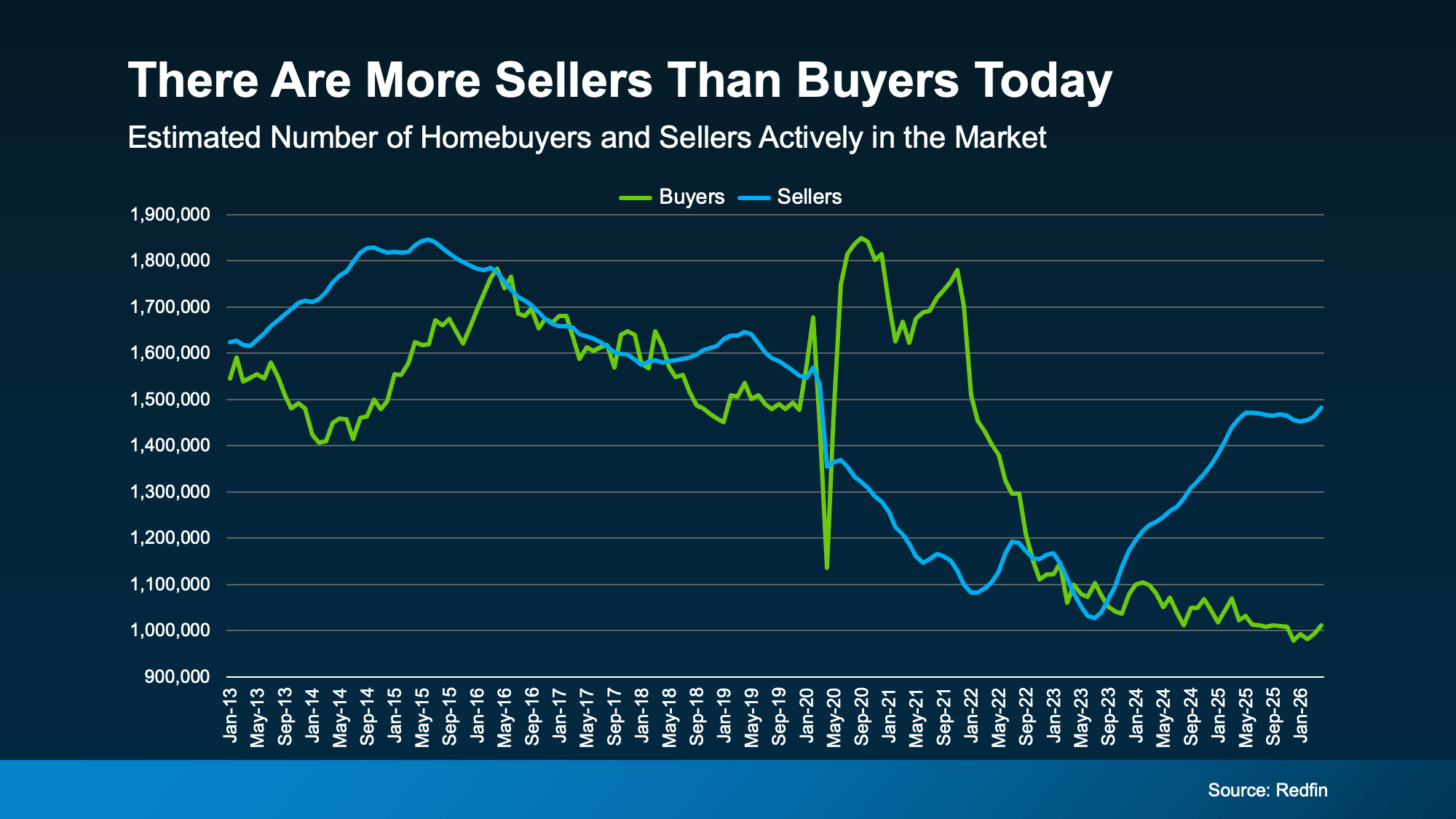
Offering a concession may be worth considering if:
-
There are a lot of competing homes on the market
-
Your home has been listed longer than expected
-
You're getting showings but not receiving offers
-
You need to move quickly
-
You're trying to prevent a deal from falling apart during negotiations
In some situations, helping with closing costs can be the difference between continuing to carry the home and getting to the closing table.
Other Options Besides Closing Cost Assistance
Being flexible doesn't mean agreeing to every request.
It means understanding which concessions create value for both sides.
If covering closing costs isn't the right fit, you may consider offering:
-
A home warranty
-
Repair credits
-
Flexible closing timelines
-
Appliances or furniture with the home
Every situation is different, and the right strategy depends on your local market conditions, your timeline, and your overall goals.
Bottom Line
The sellers seeing the most success right now aren't necessarily the ones holding the hardest line. They're the ones who understand today's market and know when flexibility can work in their favor.
Sometimes that means helping with closing costs. Sometimes it means offering a different concession. The key is knowing what makes sense for your specific situation.
If you're wondering what's typical in our market, what buyers are asking for, and where it makes sense to negotiate versus stand firm, let's connect and create a strategy that helps you achieve your goals.
Categories
Recent Posts